Physical Address
304 North Cardinal St.
Dorchester Center, MA 02124
Physical Address
304 North Cardinal St.
Dorchester Center, MA 02124
Stories That Keep You Informed
Stories That Keep You Informed
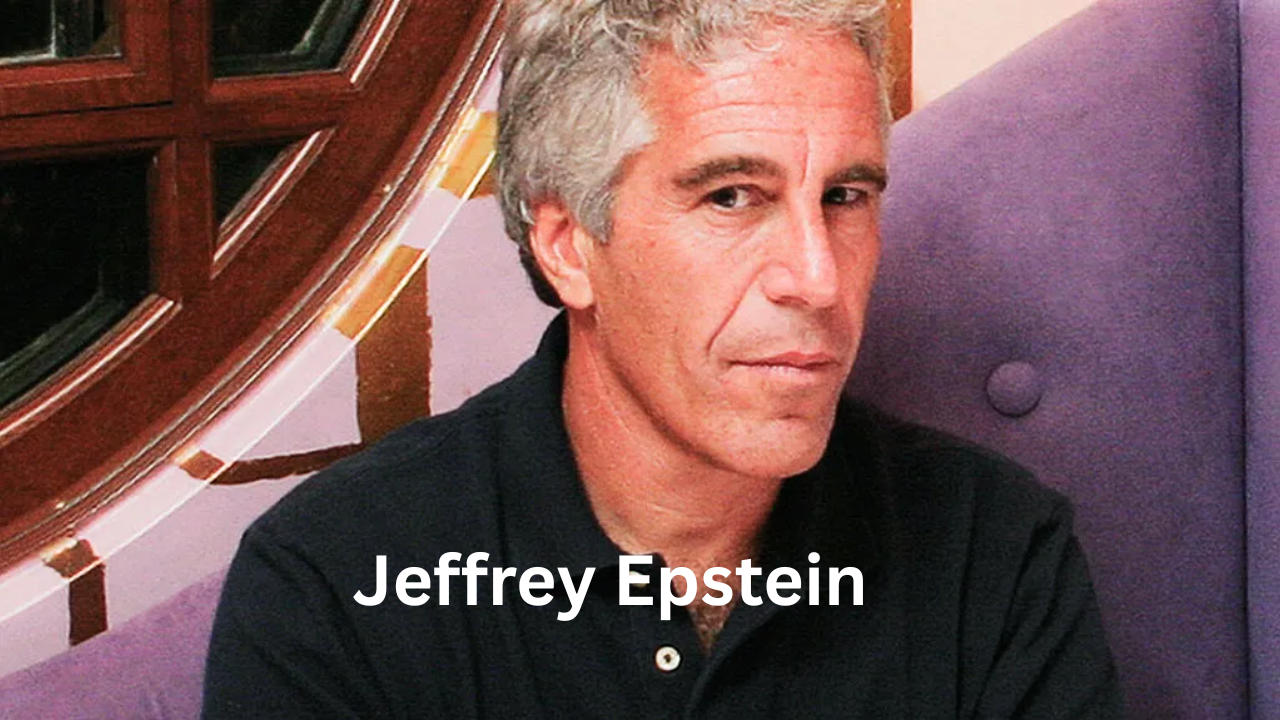
Jeffrey Epstein was an American financier whose life became one of the most widely discussed criminal cases involving sexual abuse, powerful social connections, and questions about how wealth and influence can affect the justice system. Although Epstein initially became known for his career in finance and relationships with wealthy and influential people, his public image changed dramatically after allegations of sexual abuse involving underage girls became the center of criminal investigations.
The Jeffrey Epstein case attracted international attention because of the number of alleged victims, Epstein’s connections to prominent figures, his 2008 criminal case in Florida, his later federal arrest in 2019, and his death in federal custody before the latest criminal charges could go to trial.
This article explains Jeffrey Epstein’s background, his criminal history, the 2019 federal case, his death, and why the case continues to generate public interest.
Jeffrey Epstein was born on January 20, 1953, in Brooklyn, New York. He worked as a teacher before entering the financial world and eventually developed a reputation as a wealthy money manager.
Over the years, Epstein built relationships with business leaders, academics, celebrities, politicians, and other prominent individuals. He owned expensive properties and maintained residences in locations including Manhattan, Palm Beach, and the U.S. Virgin Islands.
His wealth and social connections helped him become a recognizable figure in elite social circles. However, behind that public image were allegations of serious sexual misconduct that eventually led to criminal investigations and prosecution.
The contrast between Epstein’s financial lifestyle and the allegations against him became one of the defining features of his story.
Law enforcement attention surrounding Jeffrey Epstein intensified in Florida during the 2000s after allegations involving teenage girls were reported to authorities.
The investigation eventually resulted in a controversial agreement between Epstein and federal prosecutors in South Florida. According to a later U.S. Department of Justice review, the non-prosecution agreement required Epstein to plead guilty in state court to offenses involving prostitution and required him to register as a sex offender. The agreement also ended the federal investigation in South Florida under its stated terms.
Epstein pleaded guilty in Florida in 2008 and served a jail sentence under the agreement.
The handling of the case later became a major source of criticism. Questions were raised about the agreement, how it was negotiated, and the treatment of victims during the process.
The Department of Justice’s later review examined the actions of federal prosecutors involved in the 2006–2008 investigation, making the Florida case an important part of the broader Jeffrey Epstein story.
One of the most important reasons the Jeffrey Epstein case remained in the public spotlight was the perception that his wealth and connections helped him receive unusually favorable treatment.
The federal non-prosecution agreement was particularly controversial because it prevented federal prosecution in South Florida under the terms of the agreement and extended protections to certain potential co-conspirators.
A Department of Justice review later stated that victims were not informed of or consulted about the proposed state resolution before the agreement was signed.
The controversy surrounding the agreement continued for years and became even more significant after Epstein was arrested again in 2019.
In July 2019, Jeffrey Epstein was arrested in New York on federal charges of sex trafficking of minors and conspiracy to commit sex trafficking of minors.
According to the federal indictment announced by the U.S. Attorney’s Office for the Southern District of New York, prosecutors alleged that Epstein sexually exploited and abused dozens of underage girls between 2002 and 2005. Prosecutors also alleged that some victims were paid to recruit other underage girls.
These were allegations contained in the indictment, and Epstein was legally presumed innocent unless proven guilty in court. However, because Epstein died before his federal trial, the charges were never resolved through a criminal trial against him.
His 2019 arrest dramatically revived public interest in the earlier Florida investigation and prompted renewed examination of his relationships, finances, properties, and social network.
The federal case against Jeffrey Epstein was prosecuted in the Southern District of New York.
After his arrest, Epstein was held at the Metropolitan Correctional Center in Manhattan while awaiting further proceedings.
The charges were extremely serious and carried potentially substantial federal penalties. Prosecutors alleged that Epstein had operated a system through which underage girls were sexually exploited.
The case was scheduled to move through the federal court system, but events took an unexpected turn when Epstein died in custody.
Following his death, the federal criminal case was formally dismissed. The U.S. Attorney’s Office stated that the case was dismissed through a nolle prosequi order, while also noting that investigations into Epstein’s conduct continued.
Jeffrey Epstein died on August 10, 2019, while being held at the Metropolitan Correctional Center in New York.
His death immediately generated intense public scrutiny. Because Epstein was a high-profile federal detainee facing serious charges, questions were raised about security procedures at the jail and whether officials had properly monitored him.
The New York City Office of the Chief Medical Examiner determined that Epstein died by suicide.
A later investigation by the U.S. Department of Justice Office of the Inspector General examined the circumstances surrounding his custody and supervision. The investigation identified serious failures by correctional staff, including failures involving required inmate checks, staffing, monitoring, and other procedures.
Importantly, the DOJ Inspector General reported that it found no evidence contradicting the FBI’s determination that there was no criminality associated with Epstein’s death.
This distinction is important when discussing the case because the documented failures at the detention facility and the official determination of suicide are separate issues.
Because Jeffrey Epstein died before his federal trial, the criminal charges against him were never tested before a jury.
The federal case was subsequently dismissed. However, his death did not end investigations and legal proceedings connected to people and organizations associated with him.
The broader Epstein investigation continued to produce court proceedings, civil lawsuits, document releases, and investigations involving other individuals.
The U.S. Department of Justice has also published a large collection of Epstein-related records and court materials, including records from civil cases involving alleged victims.
These records have contributed to continuing public interest in the case.
Another major reason the Jeffrey Epstein story became globally famous was his association with wealthy and influential people.
Epstein interacted with individuals from politics, business, academia, entertainment, and other areas of public life.
However, an important distinction must be made when discussing these relationships: appearing in a contact book, flight record, photograph, email, or other document does not by itself establish that a person participated in Epstein’s crimes.
This is particularly important because the release of documents related to Epstein has repeatedly generated online speculation.
Responsible reporting requires distinguishing between documented associations, allegations, court findings, and proven criminal conduct.
Ghislaine Maxwell was one of the people most closely associated with Jeffrey Epstein.
Unlike Epstein, Maxwell was eventually tried in federal court. She was convicted in 2021 on federal charges related to her role in recruiting and grooming underage girls for Epstein.
Her conviction and subsequent legal proceedings became an important part of the broader Epstein story because they provided a criminal trial connected to the alleged trafficking and abuse network.
In August 2026, a federal judge rejected Maxwell’s attempt to overturn her conviction and 20-year sentence, according to reporting by Reuters.
Her case demonstrates why it is important to separate Epstein’s unresolved 2019 charges from criminal convictions obtained against other individuals.
The phrase “Epstein files” is commonly used to describe a broad collection of records connected to investigations and litigation involving Jeffrey Epstein and people associated with him.
These materials can include court filings, depositions, investigative records, exhibits, correspondence, and other documents.
The existence of a person’s name in such material does not automatically mean that the individual committed a crime.
The U.S. Department of Justice has made numerous Epstein-related court records and other documents publicly available through its disclosures system. Some documents contain redactions designed to protect victims and private individuals.
For readers researching Jeffrey Epstein, primary documents and official court records are generally more reliable than social-media posts or unverified lists circulating online.
The Jeffrey Epstein case remains significant for several reasons.
First, it highlighted the devastating impact of sexual exploitation and abuse on victims.
Second, the case raised serious questions about whether wealthy and influential defendants can receive different treatment from the justice system.
Third, the controversy surrounding Epstein’s 2008 agreement demonstrated the importance of transparency in prosecutorial decisions.
Fourth, his death before trial meant that many allegations against him were never tested in a criminal courtroom.
Finally, the case demonstrated how misinformation can spread rapidly when high-profile investigations involve celebrities, politicians, billionaires, and other public figures.
The Epstein story offers several broader lessons about law enforcement and public accountability.
Victims of sexual abuse must be treated with dignity and taken seriously. Investigations involving powerful suspects require strong oversight and transparent procedures.
The case also shows why official records matter. Court documents, government reports, and verified evidence provide a stronger foundation for understanding complicated criminal cases than viral social-media claims.
Another important lesson is that association should not automatically be treated as guilt. People can appear in records for many reasons, and conclusions about criminal responsibility should be based on evidence and legal findings.
Jeffrey Epstein was an American financier who became internationally known because of criminal investigations and allegations involving sexual abuse and trafficking of underage girls. He pleaded guilty to state charges in Florida in 2008 and was arrested on federal sex-trafficking charges in 2019.
In 2019, federal prosecutors in New York charged Epstein with sex trafficking of minors and conspiracy to commit sex trafficking of minors. Prosecutors alleged that he sexually exploited and abused dozens of underage girls.
Jeffrey Epstein died on August 10, 2019, while being held at the Metropolitan Correctional Center in New York. The New York City medical examiner determined that his death was a suicide.
No. Epstein died before his federal case could go to trial. The case was subsequently dismissed after his death.
Ghislaine Maxwell was convicted in 2021 for her role in recruiting and grooming underage girls for Epstein and received a 20-year federal prison sentence. In August 2026, a federal judge rejected her effort to overturn the conviction.
No. A person’s name appearing in an Epstein-related document does not automatically mean that person committed a crime. Documents can contain names for many different reasons, so individual claims should be evaluated using reliable evidence and court findings.
Jeffrey Epstein’s life and criminal investigations remain the subject of intense public interest because the case combines wealth, influence, allegations of sexual exploitation, controversial prosecutorial decisions, and a death that occurred before his federal trial.
The most reliable way to understand the Jeffrey Epstein case is to separate verified facts from allegations and online speculation. Epstein pleaded guilty to state charges in 2008, was federally charged with sex trafficking of minors in 2019, and died in federal custody before those charges could be tried. Official investigations later concluded that he died by suicide while also documenting serious failures by correctional staff.
The continuing release of court and government records means that interest in Jeffrey Epstein is unlikely to disappear soon. For anyone researching the case, official court records, government reports, and carefully sourced journalism remain the best tools for separating established facts from rumor.
Also Read: Kash Patel: Biography, Career, FBI Leadership, Education and Latest Facts
You must be logged in to post a comment.




[…] Also Read: Jeffrey Epstein: Biography, Criminal Case, Controversies, and What Happened […]